
Your Trusted Source for Pump Information
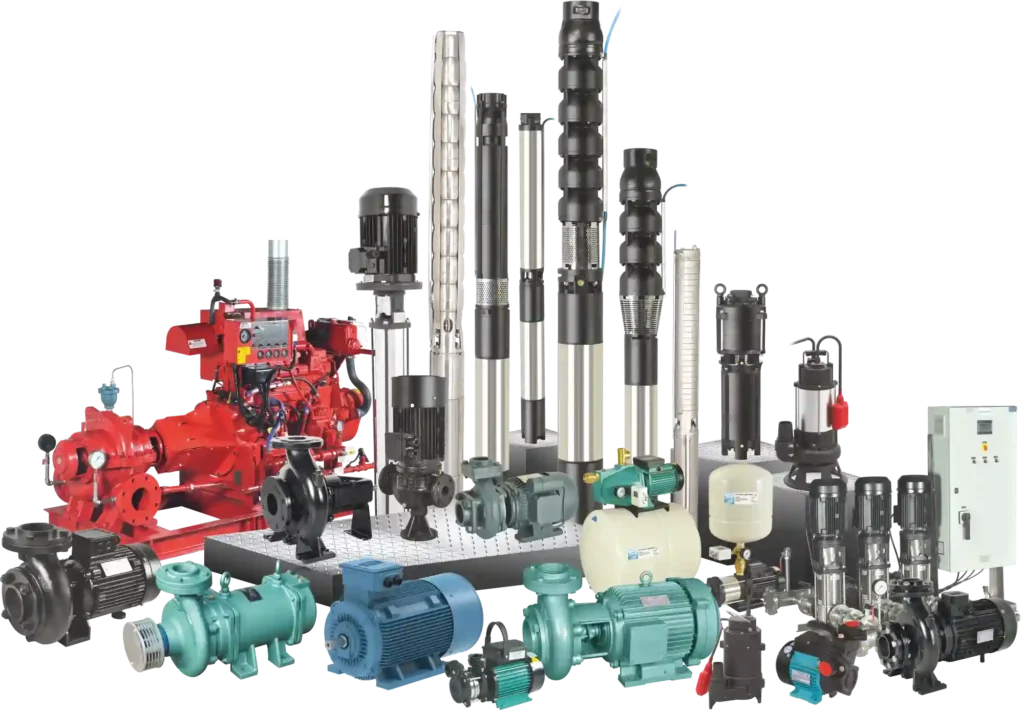
Key Products
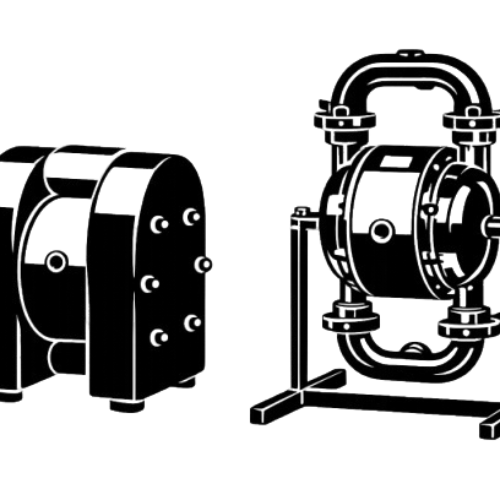
AODD
Pumps
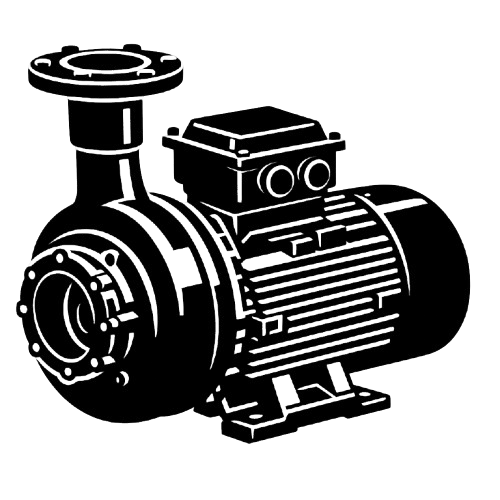
Centrifugal Pumps
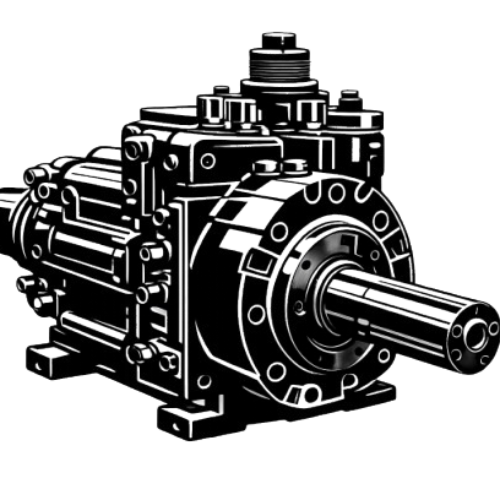
Gear
Pumps
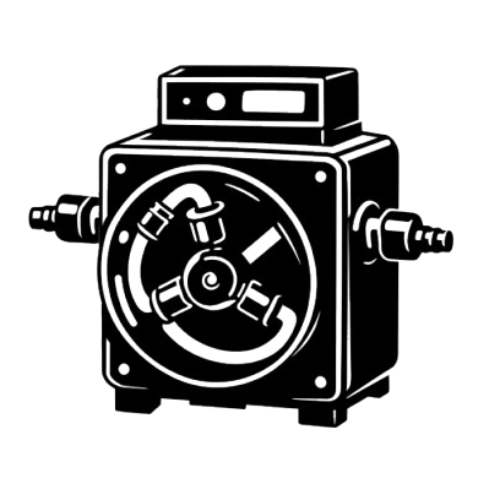
Peristaltic Pump
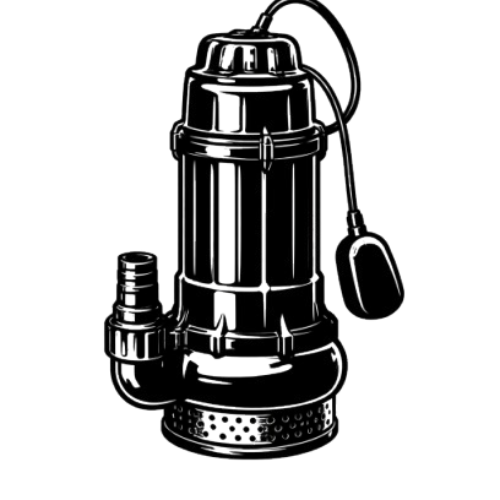
Submersible Pump
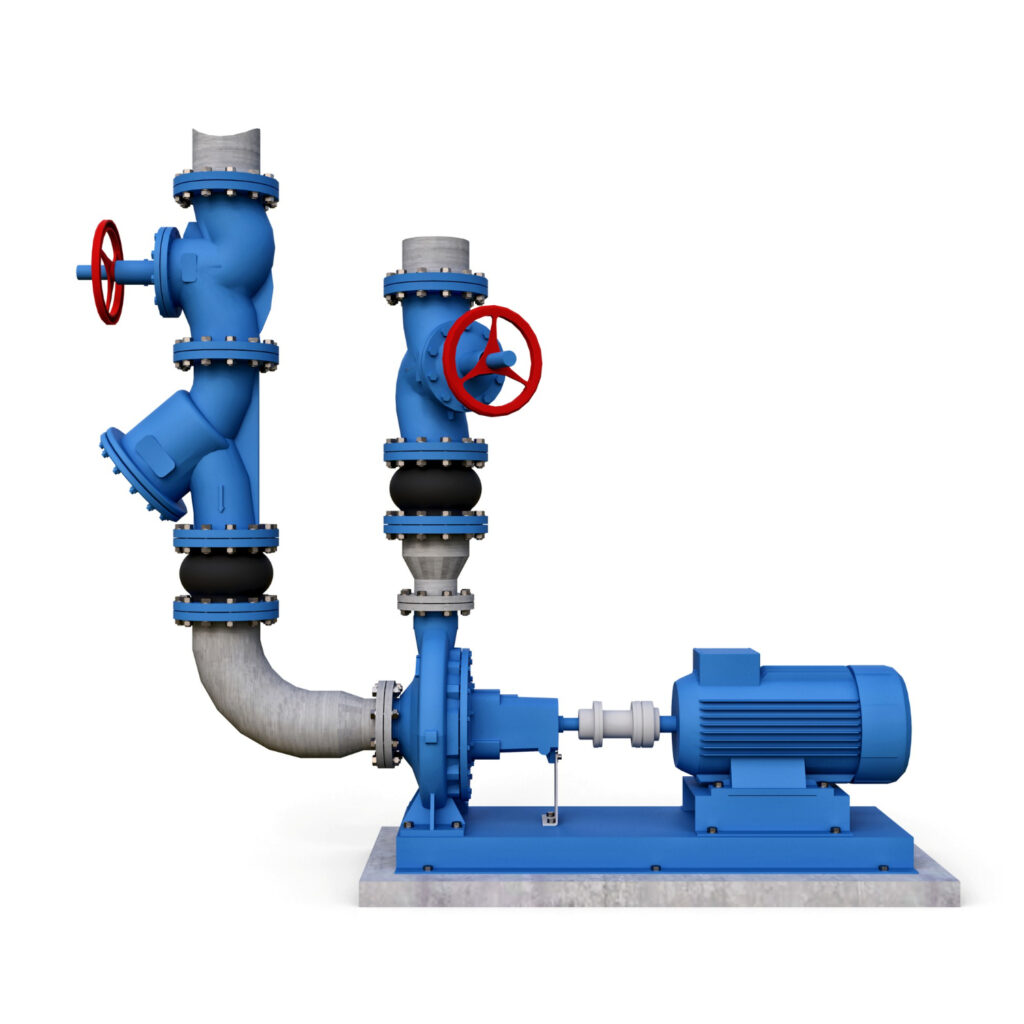
A pump is a mechanical device that moves liquids or slurries by converting energy into fluid motion. It works by creating a pressure difference, allowing fluid to flow from the suction side to the discharge side.
Pumps are used in domestic, agricultural, commercial, and industrial applications for transferring, circulating, or pressurizing fluids. Common types include centrifugal, positive displacement, diaphragm, gear, peristaltic, and submersible pumps, each chosen based on fluid properties, flow rate, pressure, and operating conditions.
With proper selection, installation, and maintenance, pumps provide efficient, reliable, and long-term fluid handling for water, chemicals, oils, wastewater, and industrial processes.
Industrial Pumps is an informative platform dedicated to explaining solar water pumps, submersible pumps, industrial pumps, and residential water systems. Our goal is to simplify complex pump technologies and provide clear, accurate knowledge for students, engineers, buyers, and anyone interested in fluid handling systems. Through detailed guides, comparisons, and educational resources, we help users understand pump working principles, applications, advantages, and modern energy-efficient technologies.
Plastic Diaphragm Pump Buying Guide for Industrial Use
Selecting the right plastic diaphragm pump is essential for safe, efficient, and long-lasting operation in any industrial process. Whether your
Full guide to PE PTFE pumps in electronics manufacturing
PE PTFE pumps are plastic-wetted pumps used where chemical resistance and low contamination are essential. This guide helps procurement, maintenance
PE Diaphragm Pump vs PTFE Pump Comparison You Need to See
Choosing between PE and PTFE diaphragm pumps can be confusing. Both are durable, non-metallic options designed for demanding applications. However, their performance differs based on the type of fluid, temperature, and abrasion level. This guide explains the key differences between these Tapflo pumps so that plant engineers and maintenance teams in India can make an informed selection. Key Takeaways ● PE pumps excel in abrasive and mechanical wear conditions. ● PTFE pumps lead in strong acid and solvent handling. ● Both offer safe, air-operated, and seal-less performance. ● Selecting the
Latest Innovations in Plastic Diaphragm Pump Design
Plastic diaphragm pumps have evolved significantly over the past decade. From simple transfer units to advanced, modular fluid-handling systems, today’s pumps deliver better chemical resistance, higher efficiency, and lower maintenance. Tapflo’s plastic diaphragm pump design combines proven air-operated technology with smart material engineering to meet the complex needs of Indian process industries. Key Takeaways ● New plastics such as PE and PTFE extend pump life in harsh conditions. ● Modular construction allows fast maintenance and part interchangeability.
Keep PTFE diaphragm pumps running longer with this advice
PTFE diaphragm pumps are known for their exceptional chemical resistance and cleanliness. However, even the toughest materials wear out early when installation, air quality, or maintenance is ignored. This guide shares practical ways to keep your PTFE diaphragm pumps running longer, especially in Indian chemical, food, and wastewater plants. Key takeaways ● Proper air quality and pressure control are the main life-extending factors. ● PTFE is chemically strong but mechanically delicate; handle and torque carefully. ● Routine inspection and flushing prevent build-up that can crack diaphragms. ● Using genuine diaphragms and valves ensures balanced performance and longer uptime. Why PTFE pumps need special care PTFE diaphragms provide near-universal chemical compatibility but are less elastic than rubber- based materials. Excessive flexing, high pressure, or sudden air surges can cause cracks or delamination. A preventive maintenance approach avoids costly downtime and chemical leaks. “PTFE gives unbeatable corrosion resistance, but only if the air, alignment, and maintenance are right.”
Is your current pump failing and costing too much in maintenance?
Frequent pump failures can disrupt production, waste resources, and inflate maintenance budgets. Many Indian process plants face this issue because of poor material selection, outdated designs, or neglected service routines. This guide helps you identify the root causes of pump failure and how to choose a reliable, low-maintenance solution. Key takeaways ● Excessive maintenance cost often signals an incorrect pump type or installation. ● Common causes include chemical incompatibility, dry running, or poor alignment. ● Preventive maintenance and proper spare parts planning reduce downtime. ● Tapflo’s AODD and centrifugal pumps offer robust, low-maintenance alternatives. Why pumps fail Pumps can fail due to mechanical wear, corrosion, or operational misuse. The most common issues include: ● Chemical attack: Wrong material selection leads to corrosion, swelling, or leakage. ● Abrasive wear: Slurries and solid-laden fluids damage seals and impellers.
Guide to Choosing the Right Pump
Superior Quality & Performance
Learn how different pumps and systems are designed for durability, efficiency, and long-term performance. Our guides explain materials, construction methods, and features that influence pump quality.
Complete Flow Solutions
Explore detailed information on pumps used in agriculture, industry, residential water systems, and more. We provide clear explanations to help you understand how each pump works in different flow applications.
Expert Support & Guidance
Get easy-to-understand technical guidance on pump types, working principles, selection criteria, and applications. Our educational content helps students, engineers, and beginners make informed choices.
Trusted by Industries Nationwide
Our platform is used by learners, technicians, and professionals across India to access reliable, accurate, and updated information on water and industrial pumps.